Politics
U.S.-Iran deal eyes Hormuz reopening, 60-day nuclear talks window
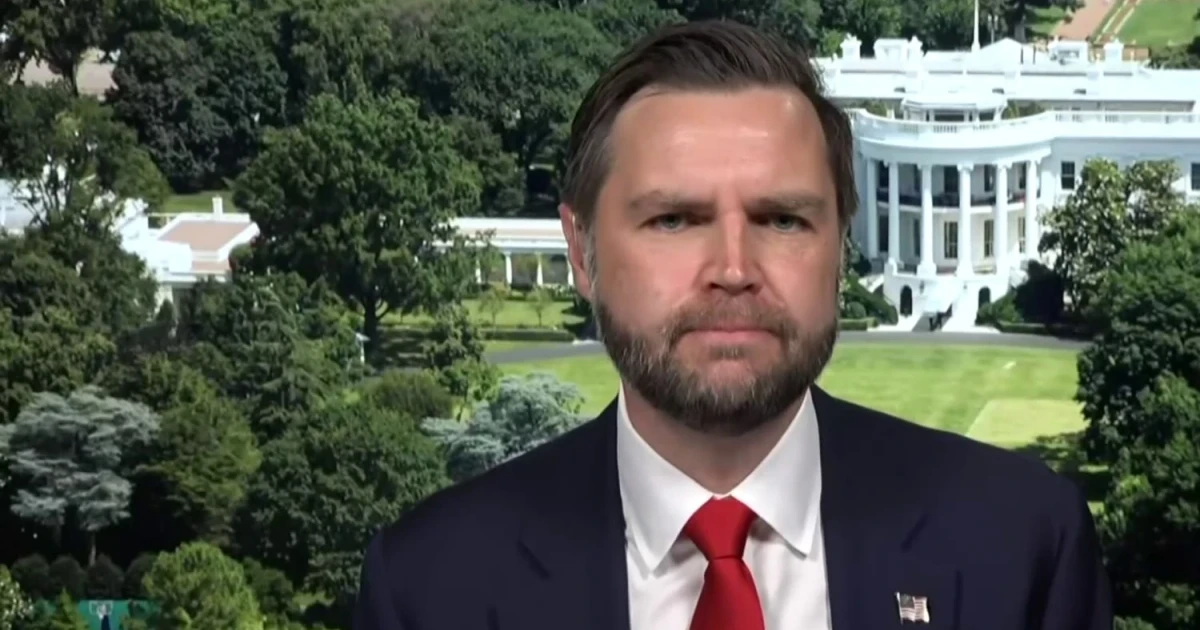
JD Vance has become the public face of Donald Trump’s Iran gamble, a pact that begins with reopening the Strait of Hormuz and then gives negotiators 60 days to settle sanctions and Tehran’s nuclear program. The political stakes are immediate: if the agreement frays after a war that shut the waterway and rattled oil markets, the fallout will be measured in Washington, not just in the Gulf.
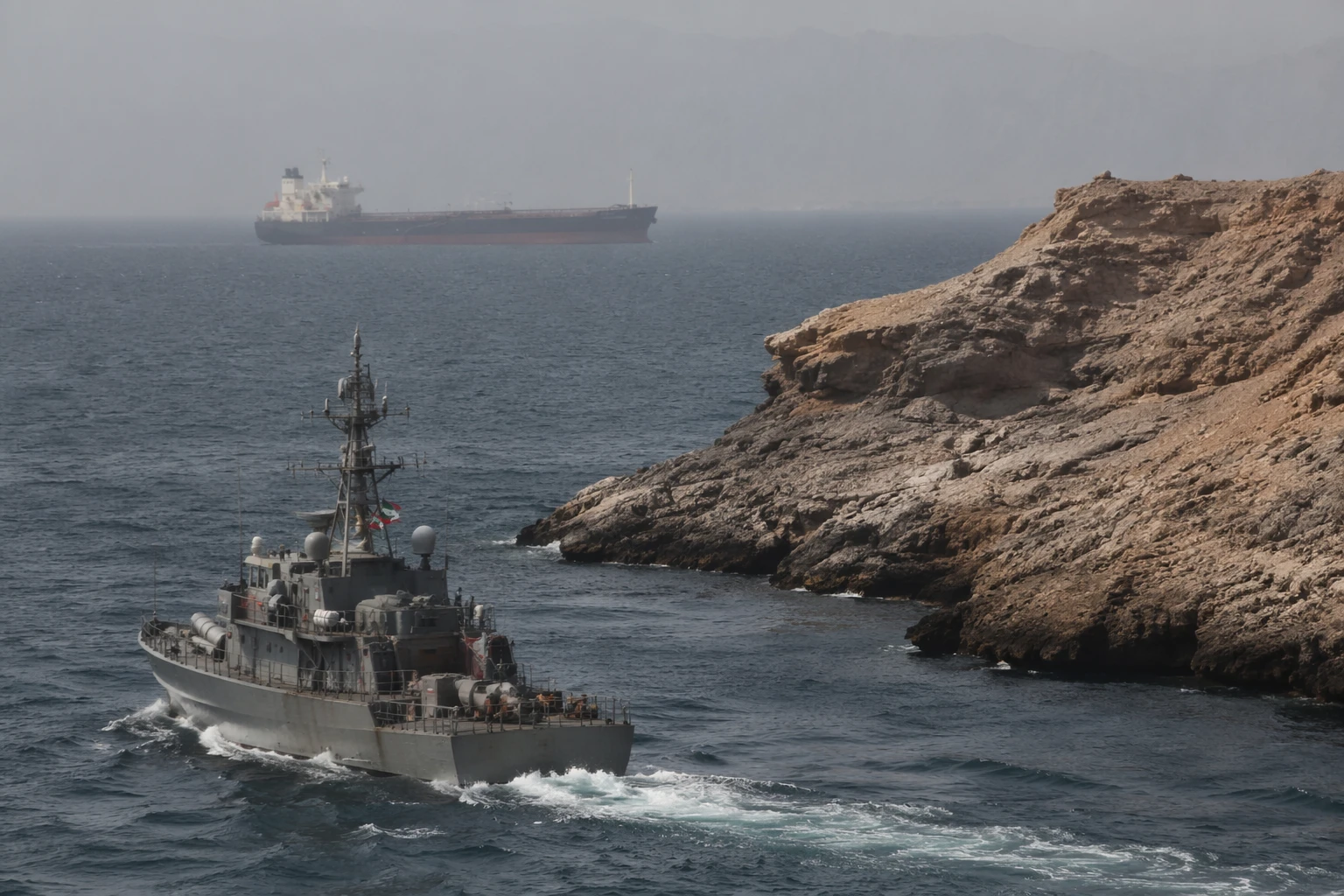
The Trump administration says it reached the agreement with Iran on June 14 after a three-and-a-half month conflict. Officials describe the opening document as a memorandum of understanding and say the draft runs 14 points long, with an immediate and permanent end to military operations on all fronts, followed by an implementation mechanism and eventual United Nations Security Council approval. The Strait of Hormuz matters because it is a chokepoint for nearly one-fifth of the world’s oil and natural gas supply. Vance has said the full text would be released by Friday at the latest after U.S. officials electronically signed the document on June 15, and he said no funds would be released to Iran in exchange for signing.
That is the benchmark now: a reopened strait, a 60-day negotiating window, and public proof that the paper deal can survive contact with Iran’s nuclear file. Vance, who was expected to be promoting his new book, has instead taken on the role of chief defender. He said the administration expected the Strait of Hormuz to reopen in a long-term toll-free way, and he has been asked, in effect, the question every skeptical lawmaker is now pressing: “If you think this is a bad deal, what is your alternative?”
In Washington, top Democrats on the congressional committees overseeing foreign, defense and intelligence policy are demanding a briefing from Secretary of State Marco Rubio. They are not immediately rejecting the memorandum, and some say they welcome a turn toward diplomacy, but they want the administration to explain how the deal works and what happens if Iran misses the nuclear deadlines. Rubio said on May 25 that the administration had a “pretty solid thing on the table” on reopening the straits and that the nuclear track had a “very real” time limit. He also said the president was not in a hurry and would not make a bad deal.
The political memory is unavoidable. The 2015 Joint Comprehensive Plan of Action was endorsed by United Nations Security Council Resolution 2231 on July 20, 2015, the International Atomic Energy Agency verified Iran’s compliance, sanctions relief began on January 16, 2016, and the agreement’s termination day arrived on October 18, 2025, when snapback provisions expired. That deal limited Iran to 5,060 IR-1 centrifuges for 10 years. With this new accord, the first real test is whether Hormuz reopens and the talks hold before the politics collapse around them.
Sources
- [1]nytimes.com
- [2]thesheffieldpress.com
- [3]cfr.org
- [4]state.gov
- [5]axios.com
- [6]armscontrol.org