World
U.S. strikes damage water tanks, cutting supply for 20,000 in southern Iran
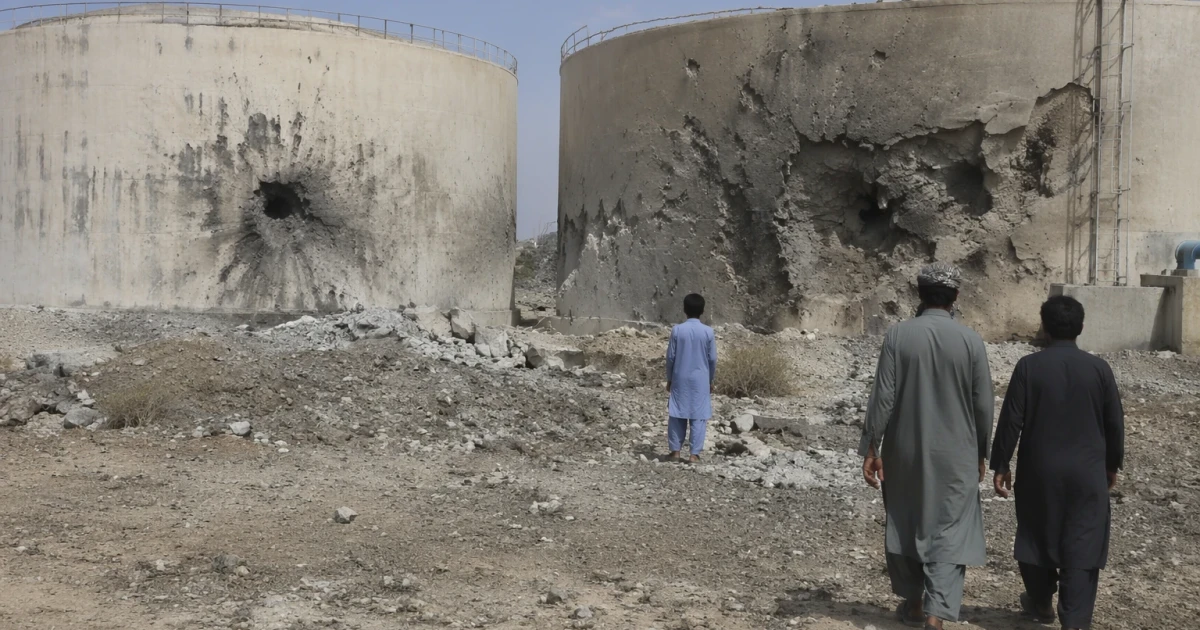
Damaged water tanks in Sirik left thousands of residents without drinking water and pushed civilian infrastructure to the center of the latest U.S.-Iran escalation. Iranian state media and local officials said the strikes hit reservoirs serving the Bemani and Kouhestak areas of Hormozgan province, with the loss affecting more than 20,000 people in the southern port town and nearby villages.
Iranian reporting identified the targets as two water storage tanks in the Bamani district of Sirik, not treatment plants, and said the facilities served communities across the area. The managing director of the Hormozgan Water and Wastewater Company said pre-dawn strikes had destroyed critical water infrastructure in the eastern part of the province, leaving residents without access to drinking water. Crisis-management and operational teams were then searching for alternative supplies as the region tried to cope with the disruption.
The U.S. military did not respond to requests for comment, leaving the Iranian accounts unchallenged in public. That silence mattered because the details of the damage shaped the story: if the reports were accurate, the target was not a battlefield node but a civilian service on which daily life in Sirik depends. Under international humanitarian law, essential civilian infrastructure such as water systems is generally protected, and attacks on it can trigger serious legal and political scrutiny.
Some reports said the strike on Sirik was part of a broader U.S. assault on southern Iran that also hit Jask and Qeshm Island in the Strait of Hormuz. Iranian state television said the water damage came amid a wider exchange around the gulf, after Iran downed a U.S. Army Apache helicopter over Gulf waters, according to U.S.-reported accounts cited by regional media.
The timing sharpened the impact. Southern Iran was already facing severe summer water stress, and the loss of reservoirs in Sirik deepened shortages in a region where drinking water is already scarce. Iranian officials and media outlets framed the strikes as an attack on civilian life itself, not just on infrastructure, and that charge now sits at the center of the dispute over what was hit, why it was hit and who will answer for the damage.
Sources
- [1]nytimes.com
- [2]alarabiya.net
- [3]presstv.ir
- [4]iranintl.com
- [5]thesheffieldpress.com