World
US strikes Iran as Tehran targets Bahrain, Kuwait and Qatar
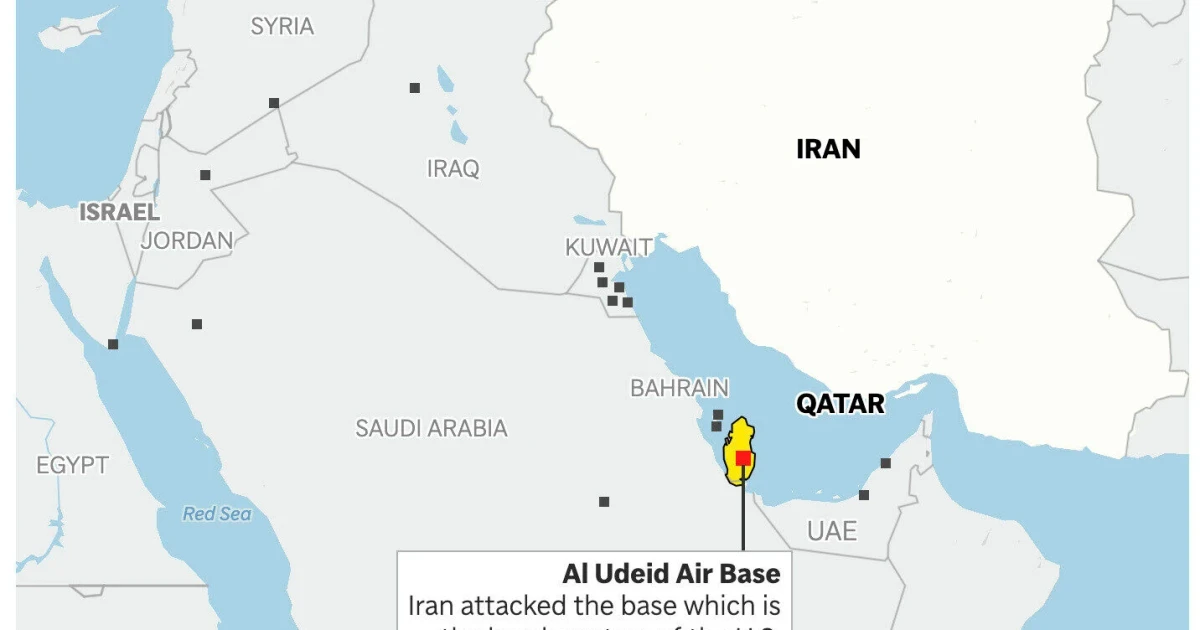
U.S. airstrikes on Iran early Thursday pushed the conflict deeper into the Gulf when Tehran ed by targeting Bahrain, Kuwait and Qatar, a sharp escalation that endangered an interim deal meant to help end the war in the Persian Gulf. The exchange followed earlier attacks on ships in the Strait of Hormuz and revived Iranian warnings that more U.S. strikes could bring a complete halt to negotiations.
The regional shock was immediate because the Gulf monarchies have spent years trying to avoid being dragged into direct confrontation while remaining dependent on Washington for security. Qatar has already lived through that danger. In June 2025, Iran struck Al Udeid Air Base, the largest U.S. military base in the Middle East and the forward headquarters for U.S. Central Command, located about 30 kilometers southwest of Doha, in retaliation for U.S. strikes on Iranian nuclear sites.
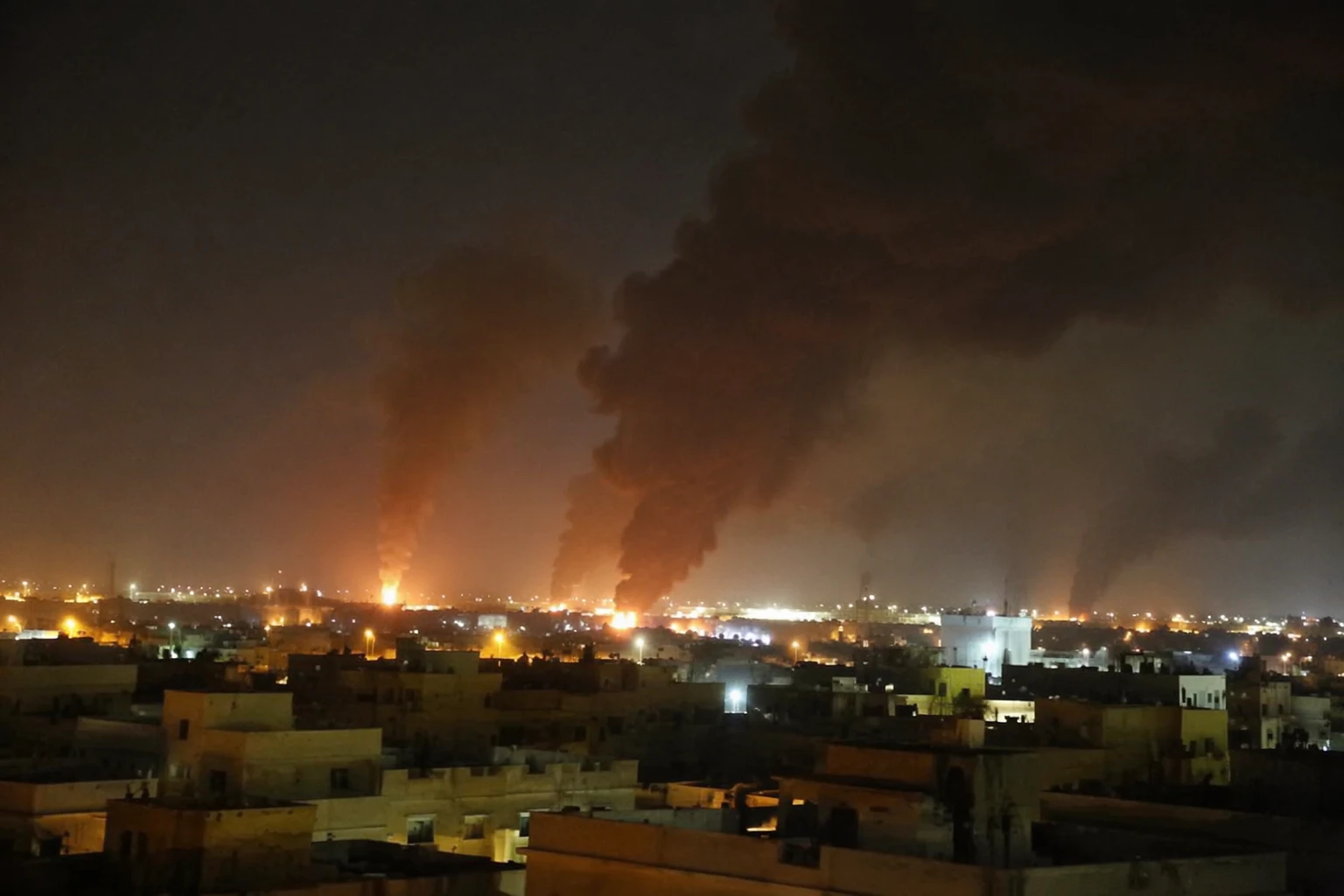
That precedent now hangs over Bahrain, Kuwait and Qatar again. The International Institute for Strategic Studies says Iran has launched wide-ranging drone and missile attacks against all six Gulf Cooperation Council states during the wider conflict, exposing how vulnerable airports, energy infrastructure and urban centers can be when the fighting spreads. The U.N. Security Council held an emergency session on July 2 over the worsening Gulf tensions, underscoring how quickly the crisis moved beyond a bilateral U.S.-Iran clash.
The economic stakes are as high as the security risks. The Strait of Hormuz remains a critical energy chokepoint for global oil and liquefied natural gas flows, and Gulf governments have spent years trying to protect trade, investment and the image of their cities as reliable business hubs. Repeated attacks over Gulf airspace and near strategic ports threaten that effort, especially for states that depend on uninterrupted shipping and public calm.
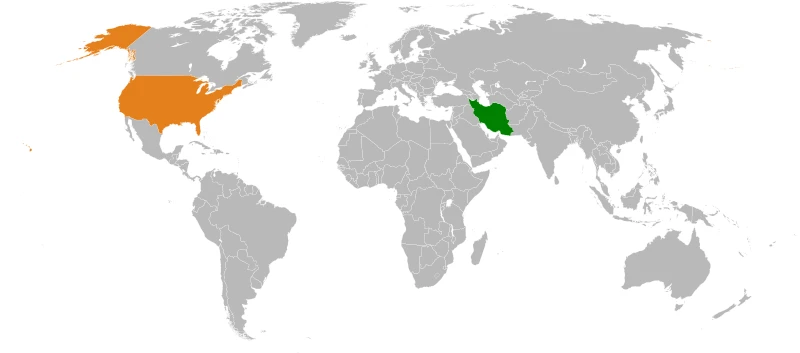
Qatar condemned the 2025 attack on Al Udeid as a violation of sovereignty, airspace, international law and the U.N. Charter, while reserving the right to respond proportionally under international law. Saudi Arabia, the United Arab Emirates, Kuwait and Qatar had backed the June 15 agreement to end the war and reopen the Strait of Hormuz, a sign of how strongly the region wants de-escalation even as the fighting keeps pulling Gulf states back into the line of fire.
Sources
- [1]nytimes.com
- [2]apnews.com
- [3]aljazeera.com
- [4]iiss.org
- [5]everycrsreport.com
- [6]news.un.org
- [7]thesheffieldpress.com