World
Vague U.S.-Iran cease-fire terms fuel renewed fighting in the Gulf
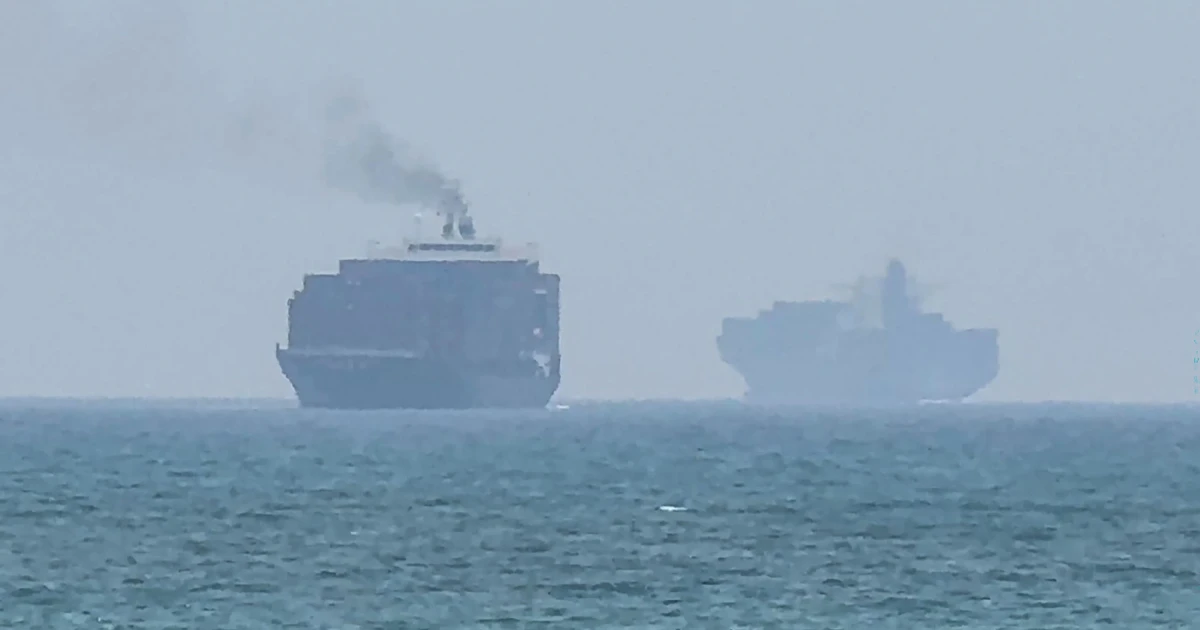
Commercial vessels hit in and near the Strait of Hormuz pushed the U.S.-Iran cease-fire toward collapse, triggering a second round of U.S. strikes. The memorandum of understanding never released its full text.
The arrangement was supposed to freeze fighting for 60 days and open broader talks, with Donald Trump and Masoud Pezeshkian presented as the signatories. The document was signed digitally before any formal public ceremony. Its draft terms pointed to reopening the Strait of Hormuz, easing or lifting the U.S. naval blockade on Iranian shipping, and restoring traffic through the waterway. Iran’s nuclear program, missile program, regional security, and enriched uranium stockpiles were left unresolved, along with the practical question of how violations would be defined and enforced.
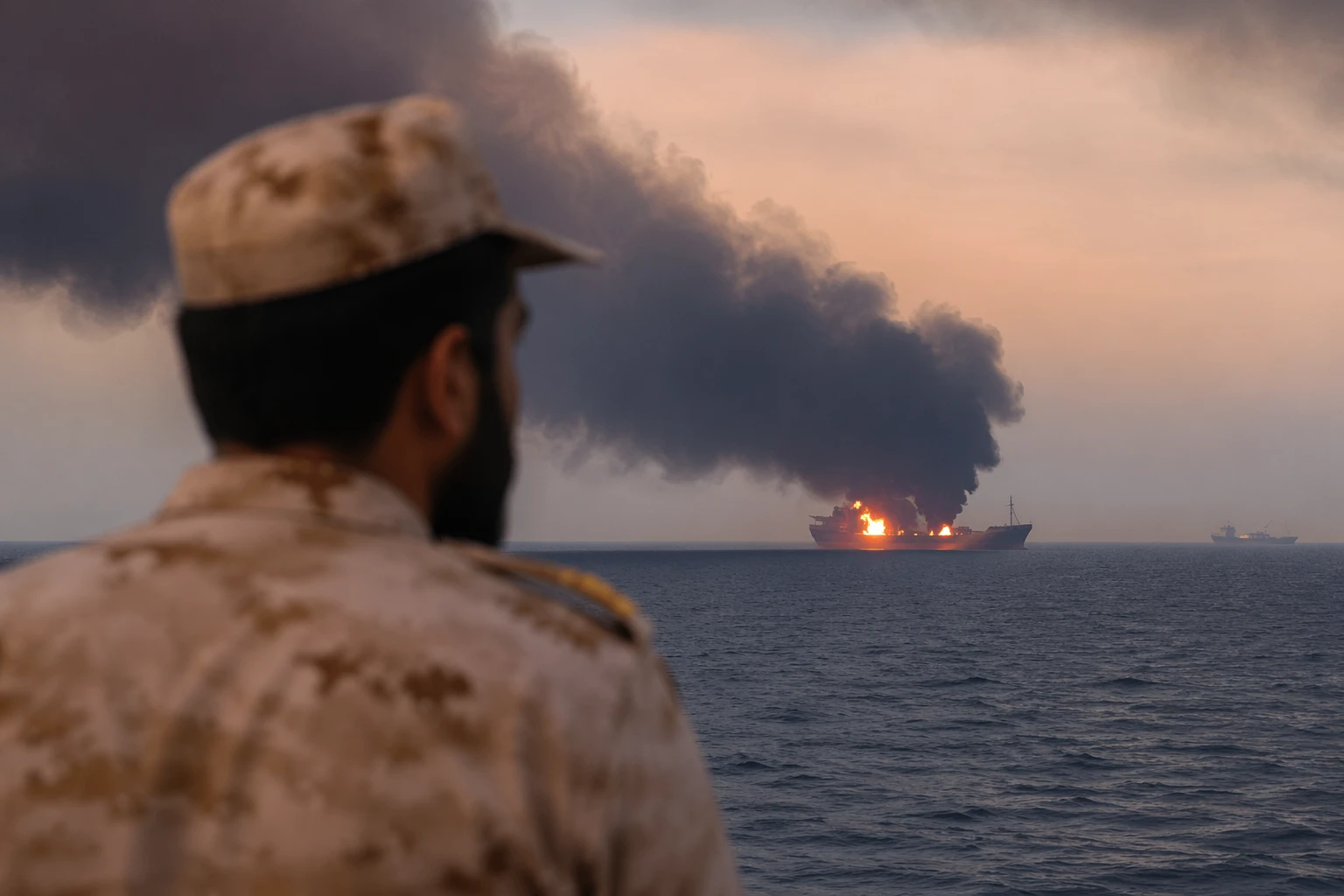
The Strait of Hormuz carries roughly 27% of the world’s maritime trade in crude oil and petroleum products, along with about 20% of global LNG trade. Any disruption can ripple quickly into tanker schedules, insurance rates, and fuel prices far beyond the Gulf. Iran has de facto control of the chokepoint and has repeatedly threatened to close it.
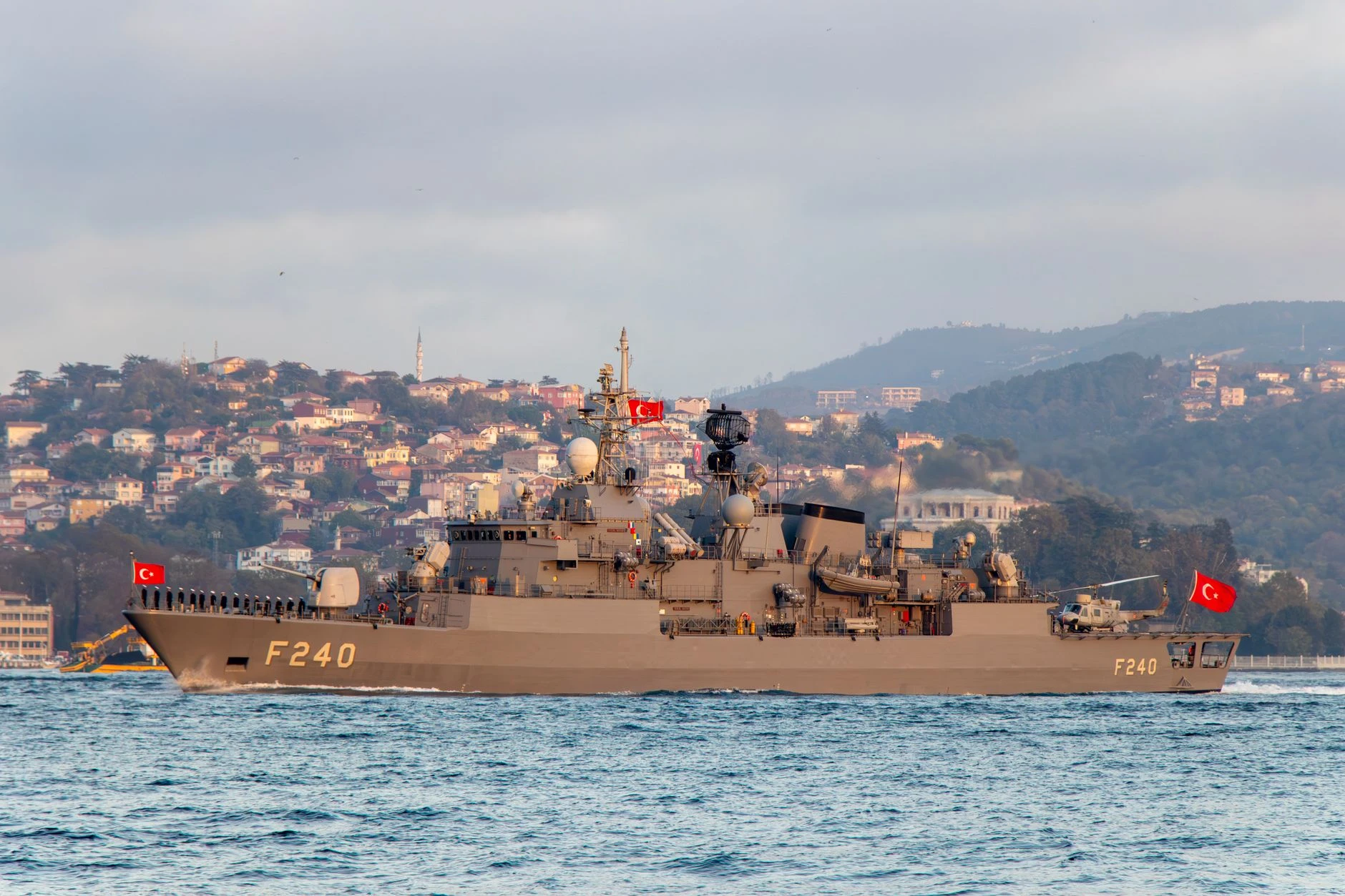
The cease-fire sat on top of a wider war that had begun with U.S.-Israeli strikes on Iran on February 28, 2026. Iran retaliated across the Gulf region, and the fighting widened to include regional actors such as Hezbollah. By April 8, President Trump was already describing the cease-fire as being on “life support,” and the Congressional Research Service later found intermittent fighting had continued since May 4. U.S. and Iranian officials eventually set technical talks in Doha, Qatar.
Sources
- [1]nytimes.com
- [2]thesheffieldpress.com
- [3]arabcenterdc.org
- [4]congress.gov