Politics
Vance warns Israel against attacking Iran deal and Washington ally
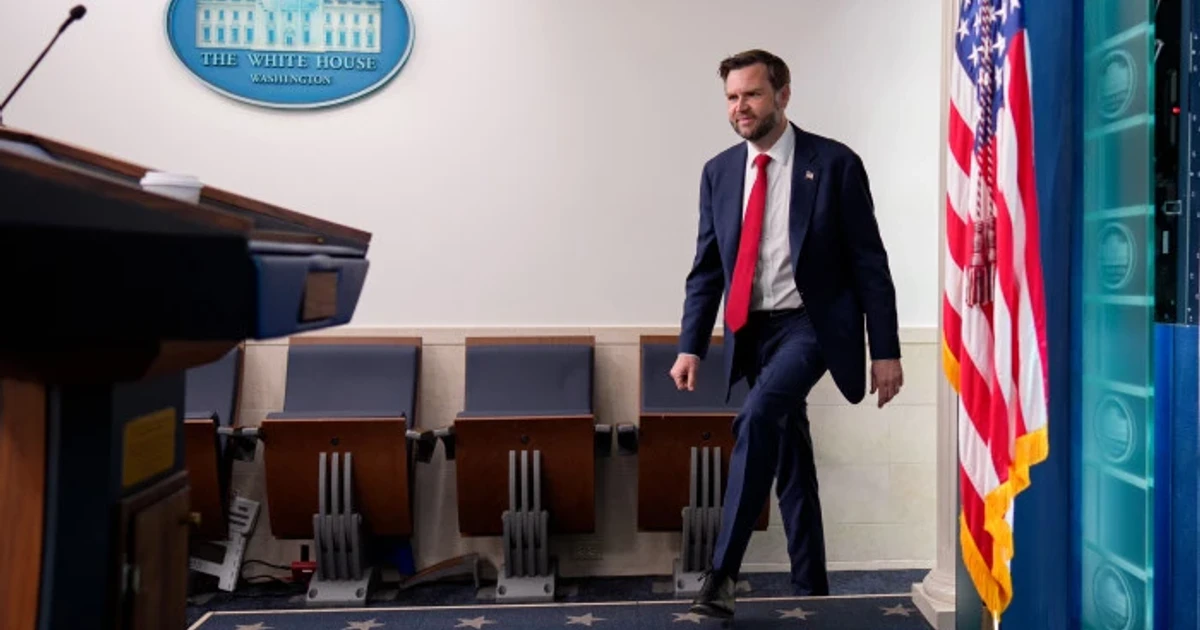
JD Vance used a White House briefing to tell Israel not to turn on what he called its “only powerful ally” left, defending a U.S.-Iran memorandum of understanding that he said was designed to end nearly four months of war and open a 60-day negotiation period. The vice president’s warning landed as one of the Trump administration’s bluntest public rebukes yet to Israeli critics of the deal, and it put fresh daylight between Washington and Benjamin Netanyahu’s government.
Vance singled out far-right ministers Itamar Ben Gvir and Bezalel Smotrich as leading opponents of the arrangement and cast the dispute as a test of Israel’s dependence on the United States. He said two-thirds of the weapons protecting Israel over the previous three months were made by American hands and paid for by U.S. taxpayers. He also argued that the new understanding was already easing tensions around the Strait of Hormuz, a vital global oil route, while U.S. and Iranian negotiators moved toward an official signing ceremony in Switzerland.
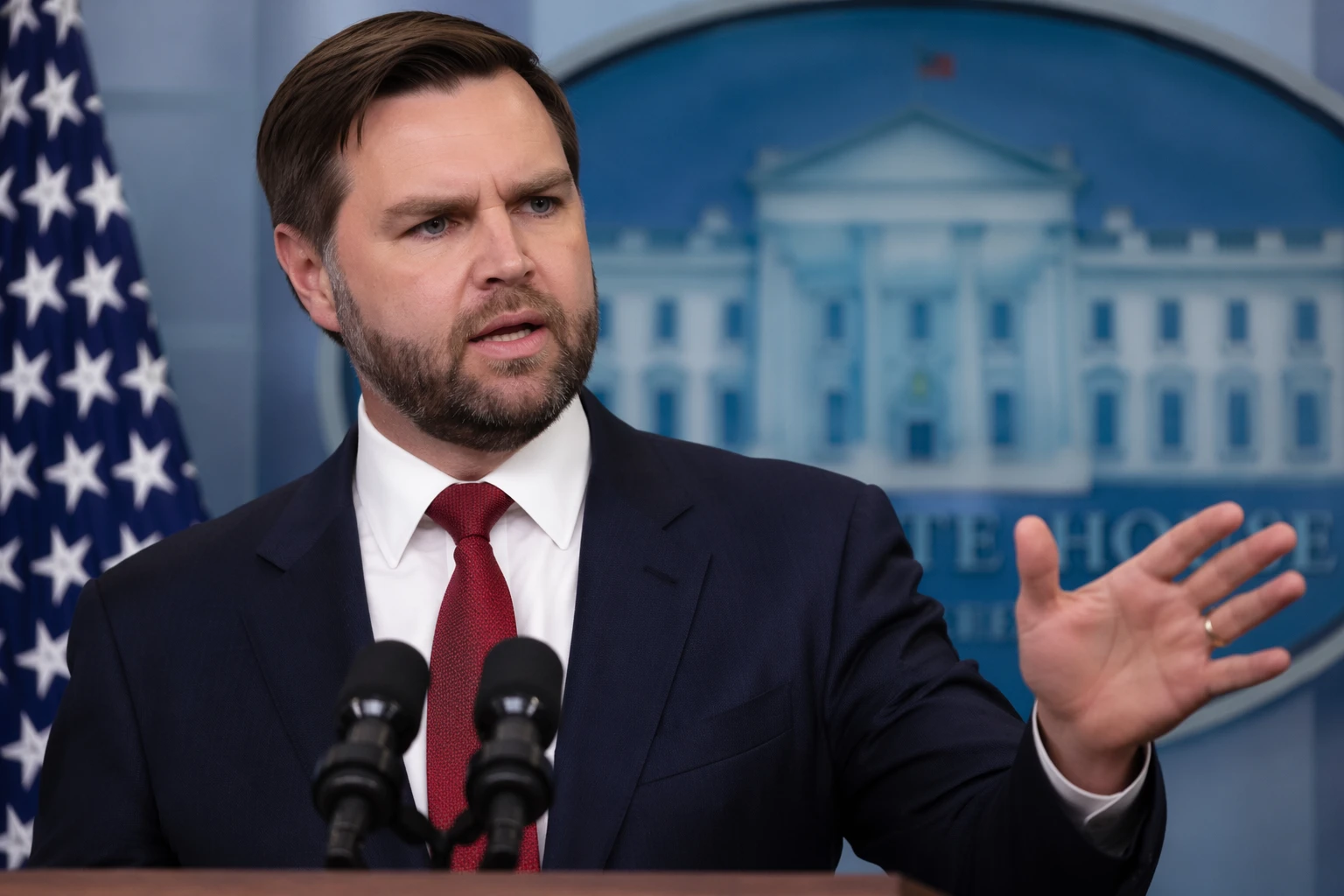
The deal drew fast resistance in both Washington and Israel. Critics said it did not go far enough to curb Iran’s missile program and did not clearly require nuclear facilities to be dismantled. Others warned that the memorandum could limit Israel’s campaign against Hezbollah in Lebanon by constraining Jerusalem’s freedom to act on a second front even as the war with Iran eased. Jeanne Shaheen, the top Democrat on the Senate Foreign Relations Committee, said Congress should be immediately briefed on the agreement, underscoring that the backlash was not limited to Israel.
The political tone was unusually public. U.S. presidents and their aides have often handled disputes with Israel through private pressure and quiet diplomacy, but Vance chose a direct stage and a direct warning, telling Israeli critics that the problem was not Donald Trump and that they needed to “wake up and smell the reality” that the United States remained central to Israeli security. The message suggested more than rhetoric: it reflected a White House willing to defend a diplomatic opening even at the risk of embarrassing Netanyahu’s camp.
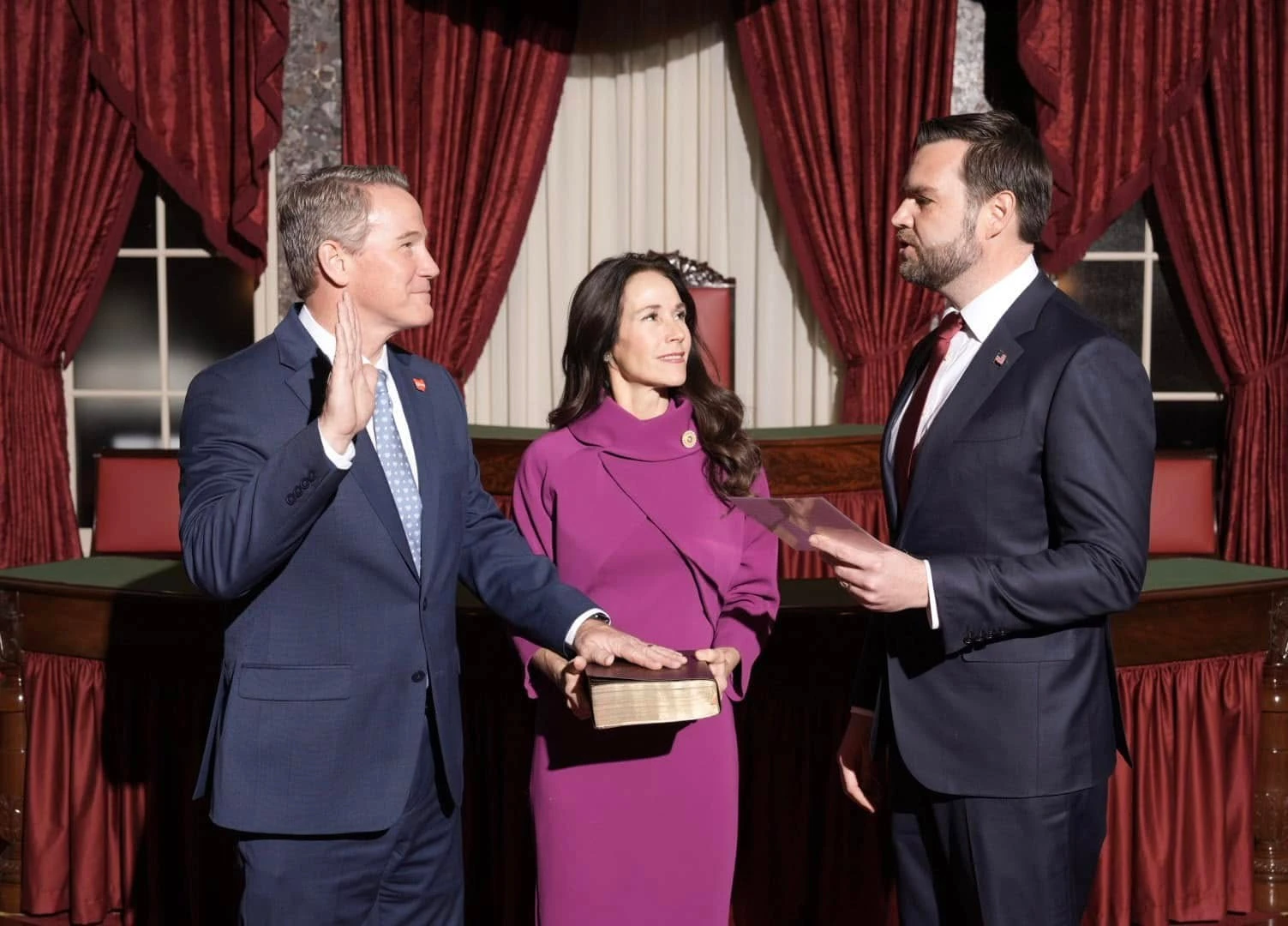
Vance has been moving in that direction for months. During the 2024 campaign, he said war with Iran was not in U.S. interests and that American and Israeli interests could be “distinct.” On Thursday, that view was no longer theoretical. It was the public line of the vice president of the United States.
Sources
- [1]nytimes.com
- [2]thesheffieldpress.com
- [3]time.com
- [4]usnews.com
- [5]jpost.com
- [6]thehill.com
- [7]axios.com