World
Venus and Jupiter dazzle in June 2026 skywatching photos
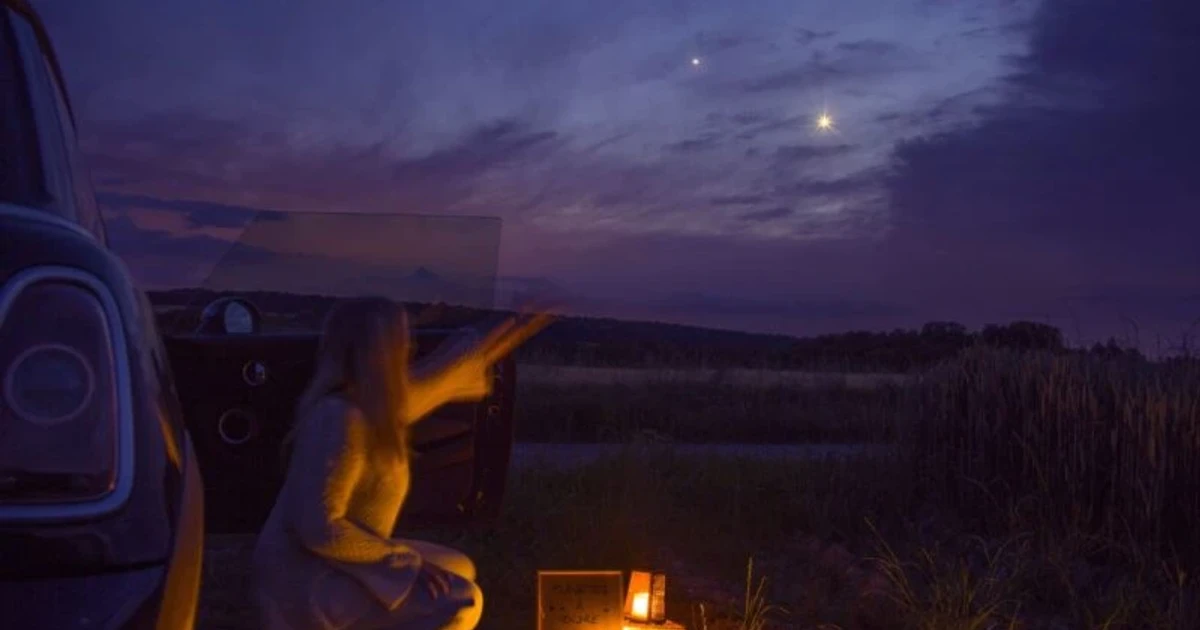
Venus and Jupiter put on one of 2026’s brightest sky shows, closing to about 1.6 degrees on June 9 and lighting up the western sky after sunset with the two brightest planets visible to the naked eye. EarthSky called the pairing one of the year’s most spectacular astronomical events, and its photo gallery underscored the appeal with community images from around the world, including a shot from Épernay, France, taken June 1 by Vegastar Photography.
NASA’s June 2026 skywatching guide placed the conjunction on June 9 and said the view remained worthwhile across several evenings, not just one night. The same guide pointed to Mercury joining the western sky scene June 11-15 and the Moon passing in front of Venus on June 17, turning the month into a compact run of easy-to-find targets for anyone watching after sunset.
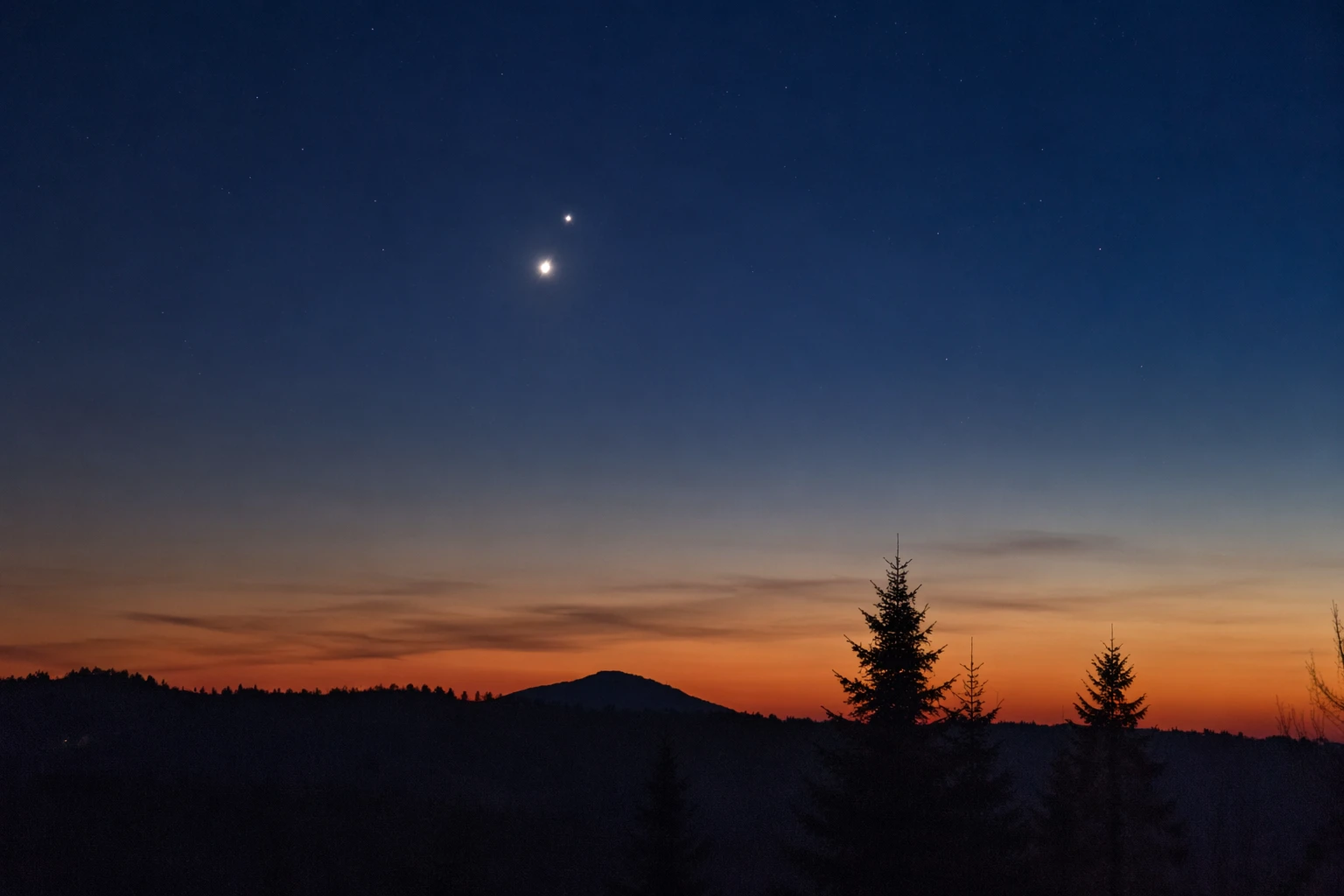
The practical viewing advice was simple: look west after sunset and give the planets time to clear the horizon. EarthSky said Venus and Jupiter were closest on June 8 and 9, while Space & Telescope put the apparent separation at about 1.6 degrees on the evening of June 9, roughly the width of three full moons. National Geographic called it the best Jupiter-Venus approach visible in the Northern Hemisphere until late 2028, and noted that binoculars were enough to fit both planets into the same field of view.
That is the reality check behind the spectacle. The conjunction was genuinely bright and easy to spot, but it was not a once-in-a-lifetime event, and it did not require special gear or perfect conditions to appreciate. Its significance came from accessibility as much as rarity: Venus and Jupiter are the sky’s two brightest planets, and when they meet in the western twilight, the pairing becomes a public-facing astronomy moment that can be seen without a telescope. The conjunction also sat in a crowded June sky calendar that includes the summer solstice on June 21 and the Strawberry Moon later in the month, keeping attention on the night sky well beyond a single evening.