Business
Warsh faces first Fed meeting as rate pressures and Trump build
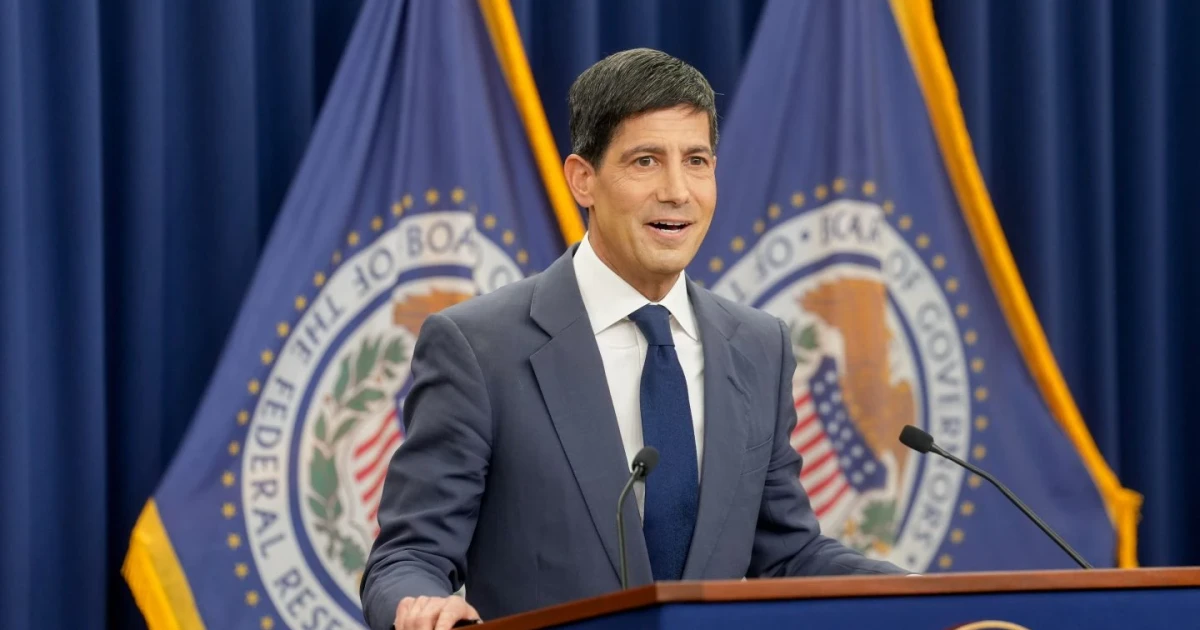
Kevin Warsh’s first Federal Reserve meeting quickly became an early independence test. Inflation was still running above target, markets expected rates to stay put, and President Donald J. Trump was still pushing for easier money. The result was a unanimous hold at 3.50% to 3.75%, but the bigger question was whether Warsh would sound like a guardian of Fed restraint or a chairman adjusting to White House pressure.
Warsh arrived at the chair with an unusually fast rise through Washington. Trump nominated him on March 4, the Senate confirmed him to the Board on May 12 and as chair on May 13, and the Federal Reserve said he took the oath of office on May 22, when the Federal Open Market Committee unanimously selected him as its chairman. His chair term runs through May 21, 2030, and his Board term through January 31, 2040, giving him a long runway to shape borrowing costs for households and businesses.
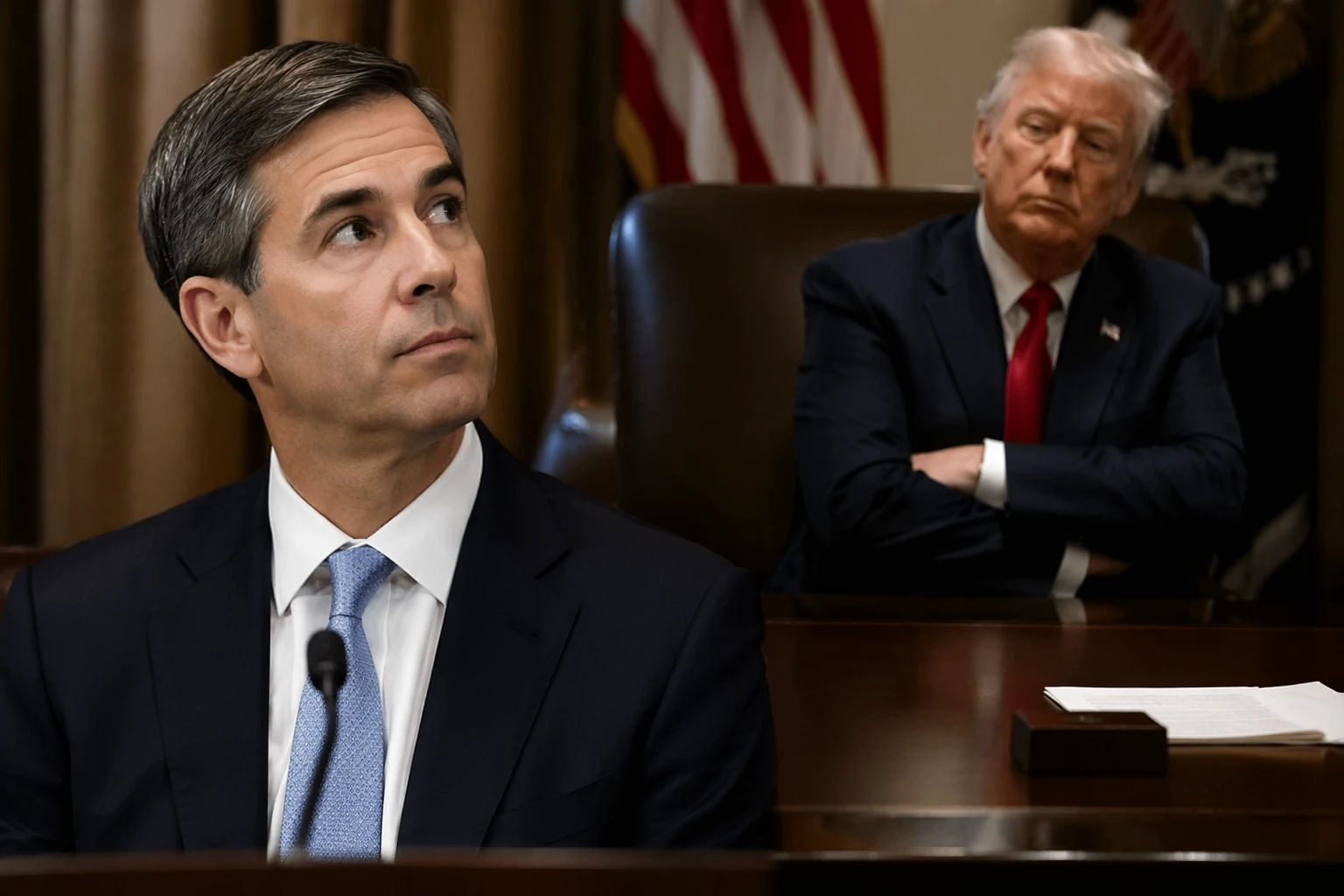
The economic backdrop left little room for a quick pivot. The Bureau of Economic Analysis said the personal consumption expenditures price index rose 3.8% in April from a year earlier, still well above the Fed’s 2% target. The Bureau of Labor Statistics said unemployment held at 4.3% in May and payrolls increased by 172,000, evidence that the labor market was still expanding even as price pressures persisted. Before the meeting, Fed minutes showed market participants expected little change in rates this year, while options pricing implied about a 30% chance of a rate hike by the first quarter of 2027. The Fed had left the interest rate paid on reserve balances at 3.65% in an April 29 implementation note.
Warsh’s first press conference suggested a chairman eager to revisit the central bank’s machinery as much as its rate path. He announced five task forces to review Fed communications, the balance sheet, data sources, productivity and jobs, and the inflation framework. He did not offer his own dot-plot forecast, a sign that he was not ready to telegraph a personal policy path, and he would not say whether he had spoken with Trump since taking office. He said he had been in contact with Treasury Secretary Scott Bessent.
Trump publicly urged Warsh to be “totally independent” even as he kept pressing for lower rates. That tension now sits at the center of the Fed’s next phase. With nine of 18 officials projecting a rate hike in 2026 and inflation still elevated, Warsh’s tone and the 12-0 vote point to a central bank that is not ready to ease just because political pressure is building. For now, borrowing costs are still being held high, and the burden of proof remains on inflation to cool first.
Sources
- [1]nytimes.com
- [2]federalreserve.gov
- [3]cnbc.com
- [4]foxbusiness.com
- [5]thesheffieldpress.com